Chapel Hill, TN · Marshall County
Whole-Building Fire & Smoke Odor Removal in Chapel Hill, TNFire Damaged Material Removal & Ozone Treatment For Smoke Odor
Whole-Building Fire & Smoke Odor Removal in Chapel Hill pairs whole-house air scrubbing, HVAC duct smoke cleaning, and fire damaged material removal.
Answered 24/7
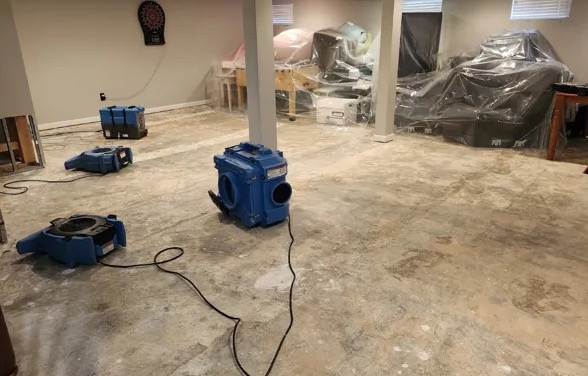
Fire and Smoke Odor Elimination Services in Chapel Hill
In properties throughout Chapel Hill, drywall, insulation, and upholstery absorb smoke deeply, so wiping surfaces rarely removes the smell. Treatment has to reach the air and the materials.
Homes in Chapel Hill and nearby areas like Unionville, Lewisburg and Spring Hill share building styles that affect how smoke spreads through attics and walls. Local smoke odor elimination experts fog and ozone-treat the materials found in these homes.
Advanced Fire Odor Removal Techniques
Fire Damaged Material Removal
Removing porous burned items lowers the odor load, which makes later cleaning and sealing work much better.
Ozone Treatment for Smoke Odor
Ozone treats the full air volume of a room. People, pets, and plants stay out until the space is aired out again.
Air Scrubbing for Whole Buildings
For larger buildings, several air scrubbers run at once so the entire air supply passes through high-efficiency filters.
HVAC Duct Smoke Cleaning
Local whole-building deodorization specialists clean the blower, coil, and ducts, since a dirty system holds odor and spreads it each time it runs.
Whole-House Air Scrubbing
The specialists run scrubbers through the cleanup so soot stirred up by cleaning is caught instead of drifting back onto fabrics.
Warning Signs of Persistent Smoke Odor
Soot Residue on Walls and Ceilings
Black or gray soot on walls and ceilings shows smoke residue that household cleaners tend to smear rather than remove.
Odor Stronger on Humid Days
A smoke smell that gets stronger on damp days means odor is trapped in porous materials and released when moisture rises.
Discolored or Stained Fabrics
Yellowed or grayed curtains, upholstery, or clothing have absorbed smoke and usually need special cleaning to lose the odor.
Smell Emanates From HVAC Vents
A smoky smell coming from vents means the HVAC system is carrying odor from the ducts into every room.
How Whole-Building Fire & Smoke Odor Removal Works in Chapel Hill
Step 1: Source Removal and Cleaning
Burned materials are removed first, and electrostatic cleaning lifts soot from the walls and ceilings that remain.
Step 2: HVAC Duct Smoke Cleaning
The ductwork and air handler are cleaned so the HVAC system stops moving smoky air through the building.
Step 3: Ozone Treatment for Smoke Odor
Ozone generators run in the closed, empty building to break down the odor compounds that remain.
Step 4: Final Air Quality Verification
Pros check the building for any remaining smoke odor before it is reoccupied and the job is closed out.
Common Causes of Persistent Fire Odor
Contaminated HVAC Ductwork
An HVAC system running during a fire pulls smoky air into the ducts and coats their insides with soot.
Thermal Movement of Odor Particles
Heat from a fire pushes smoke and odor into small cracks and gaps throughout the structure.
Burning of Synthetic Materials
Burning furniture and plastics produce thick, oily smoke that leaves a sticky, strong-smelling residue on every surface.
Smoke Penetration Into Porous Materials
Smoke odor soaks deep into drywall, wood, and insulation, which then release the smell for months if left untreated.
Comprehensive Odor Solutions for Any Building
Residential Whole-Building Fire & Smoke Odor Removal
Homeowners need both the structure and their belongings treated. Pros clean personal items and fog the building so the smell leaves the whole living space.
Commercial Whole-Building Fire & Smoke Odor Removal
Restaurants and stores need merchandise, equipment, and ductwork cleaned so smoke odor does not drive customers away after reopening.
Whole-Building Fire & Smoke Odor Removal vs. DIY Odor Removal Methods
Photograph the damage before cleaning or moving anything, and list affected belongings. Share the photos with your insurer, then leave deodorizing of walls and contents to pros.
Factors Affecting Whole-Building Fire & Smoke Odor Removal Expenses
Duct cleaning and content cleaning add to the scope and the price when the HVAC system and belongings also hold odor.
Content Cleaning Scope
The number and type of belongings to clean, and whether they go off-site, affect time and cost.
Severity of Smoke Penetration
Heavy smoke residue needs more cleaning passes and repeat treatments than light surface soot does.
Building Square Footage
Larger buildings need more labor time and more deodorizing solution to cover every room.
Does Insurance Cover Whole-Building Fire & Smoke Odor Removal?
Your insurer decides whether whole-building fire & smoke odor removal is covered. The specialists in Chapel Hill provide documentation for the claim file, and final approval rests with the insurance company.
Why Choose Local Specialists for Whole-Building Fire & Smoke Odor Removal
24/7 Emergency Response
Smoke odor sets into materials over time, so starting quickly limits how deep it soaks in.
IICRC-Standard Deodorization Methods
Pros follow established smoke odor protocols, treating odor at its source instead of covering it with fragrance.
Residual Odor Prevention
Sealing porous surfaces locks in trace odor that cleaning misses, so it does not return after repairs.
Urgent Whole-Building Fire & Smoke Odor Removal When You Need It Most
Deodorizing works better before odor settles deep into walls and furniture. Call (615) 257-3088 at any hour for an initial assessment of the smoke damage.
Call Now (615) 257-3088Areas Served for Whole-Building Fire & Smoke Odor Removal
Each place listed below has its own page with local details.
- Whole-Building Fire & Smoke Odor Removal in Unionville
- Whole-Building Fire & Smoke Odor Removal in Shelbyville
- Whole-Building Fire & Smoke Odor Removal in Thompson's Station
- Whole-Building Fire & Smoke Odor Removal in Watertown
- Whole-Building Fire & Smoke Odor Removal in Brentwood Estates
- Whole-Building Fire & Smoke Odor Removal in Brentwood
- Whole-Building Fire & Smoke Odor Removal in Lebanon
- Whole-Building Fire & Smoke Odor Removal in Mount Juliet
Understanding Whole-Building Fire & Smoke Odor Removal: Frequently Asked Questions
What materials typically require fire damaged material removal?
Charred wood, melted plastics, contaminated insulation, and anything that cannot be cleaned or is unsafe are removed and disposed of.
What's the difference between cleaning and deodorizing?
Cleaning removes visible soot residue, while deodorizing breaks down the odor molecules left behind. Most fire jobs need both steps.
Is whole-house air scrubbing run continuously?
Yes. Industrial HEPA scrubbers run for long periods through the cleanup, filtering fine soot and odor particles from the air.
How effective is electrostatic soot removal?
Charged cleaning solutions attract fine soot and lift it off surfaces, which prepares them for deodorizing and paint.
Will opening windows get rid of smoke smell in home?
Airing out helps with smoke in the air at first, but it does not remove odor soaked into walls, furniture, and carpet.