Chapel Hill, TN · Marshall County
AC Fire Restoration in Chapel Hill, TNFire Damaged Ductwork Cleaning & AC Unit Fire Damage Cleanup
AC Fire Restoration in Chapel Hill addresses AC unit fire damage cleanup, AC smoke odor removal, and emergency AC fire restoration.
Answered 24/7
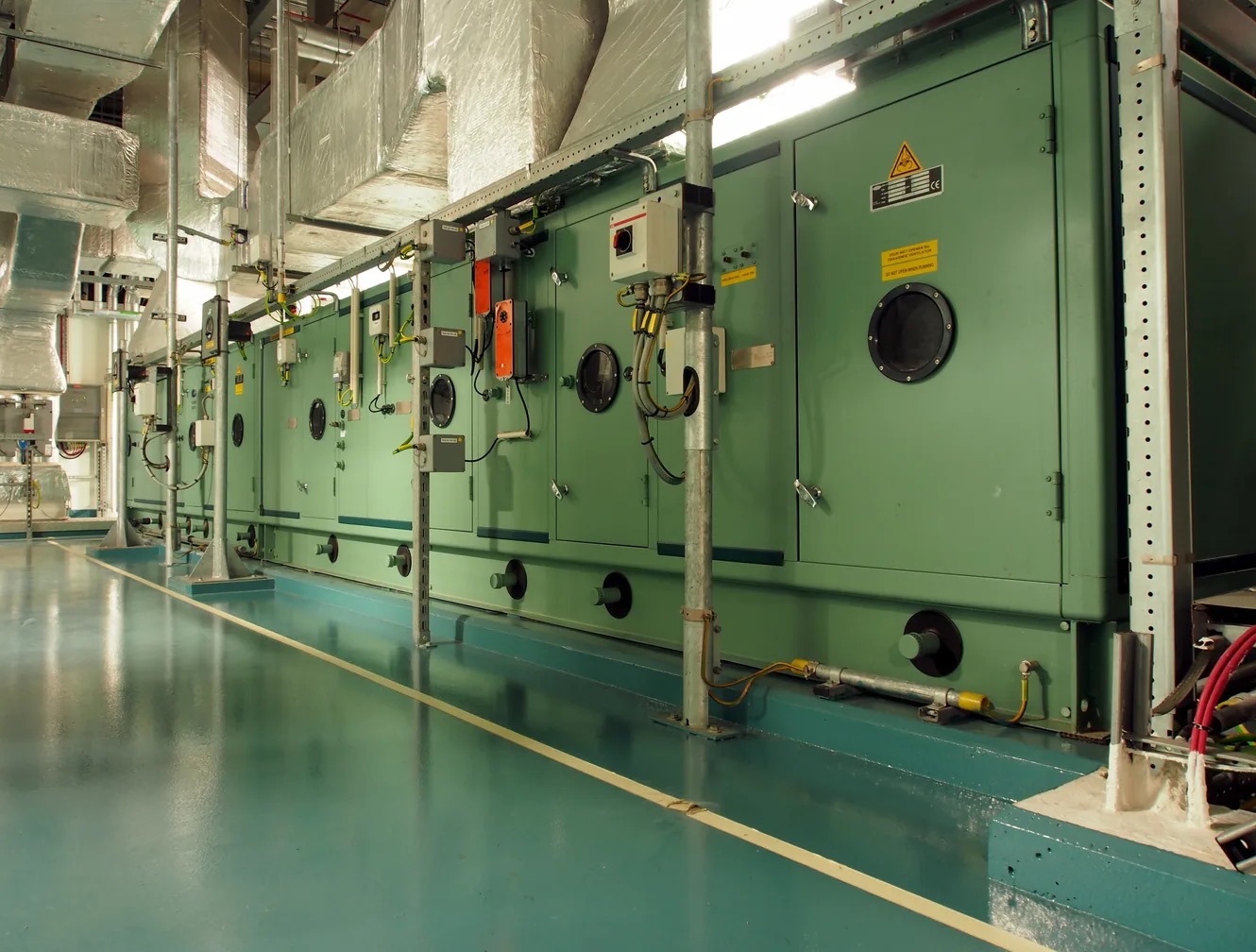
Your Local Source for AC Fire Restoration in Chapel Hill
Emergency fire restoration for your AC unit prevents secondary damage and limits downtime for your comfort system. Acting quickly with professional help in Chapel Hill safeguards your property from extended exposure to soot and smoke.
AC fire restoration in Chapel Hill starts with an electrical damage assessment, followed by soot removal. These services are vital to prevent future system failures and maintain air quality.
AC Fire Restoration Solutions for Chapel Hill
Fire Damaged Ductwork Cleaning
Ignoring fire-damaged ducts compromises air quality and system efficiency. Cleaning covers the main trunk lines and the branch runs to each room.
AC Unit Fire Damage Cleanup
Soot and acidic residues from a fire can quickly degrade AC coils and internal mechanisms. Prompt cleanup can decide whether parts are salvageable before corrosion forces a full system replacement.
Emergency AC Fire Restoration
Quick action helps prevent secondary damage from corrosive soot and limits the extent of repairs needed for your HVAC system.
AC Electrical Damage Assessment
An AC electrical damage assessment documents the condition of all components. The written findings support the insurance claim and list what needs repair or replacement.
Air Conditioner Soot Removal
Ash can clog air filters and coat the coil, cutting efficiency. Cleaning removes it from every part that can be reached so the AC runs as it should again.
When to Consider AC Fire Restoration for Your AC
Black Dust on Furniture Surfaces
Recurring black dust settling shortly after cleaning points to an active soot source, likely your contaminated AC ducts.
AC System Tripping Circuit Breaker
Frequent breaker trips after a fire suggest possible electrical shorts or damage within the air conditioner's components.
Soot Deposits on Air Vents
Visible black or gray dust around AC supply registers often indicates soot is present in your ductwork after a fire event.
Irritation From Indoor Air Quality
Increased allergy symptoms or respiratory irritation at home can stem from fine smoke particles circulated by your HVAC system.
How AC Fire Restoration Works in Chapel Hill
Step 1: On-Site Damage Scope Analysis
Soot damage pros perform an initial analysis to map the extent of contamination in your HVAC system, planning the AC fire restoration process accordingly.
Step 2: Aggressive Soot and Smoke Cleaning
This phase involves aggressive HVAC smoke residue removal from all mechanical parts and duct interiors, using industry-approved cleaning agents and equipment.
Step 3: Detailed Component-By-Component Repair
Each AC component is inspected and cleaned individually. Damaged wiring or motors are marked for repair or replacement.
Step 4: Final Air Filtration and Balancing
To complete the fire and smoke restoration, high-efficiency air filters are installed and the system is balanced to restore proper, clean airflow throughout your property.
Origins of AC Fire Damage in Chapel Hill
Lightning Strike to HVAC System
A direct or nearby lightning strike can cause catastrophic electrical damage, potentially igniting components within the air conditioning equipment.
Kitchen Grease Fire Spread
Grease fires can quickly spread smoke and soot into kitchen vents, which then draws contamination into the central HVAC system.
Wildfire Smoke Infiltration
External wildfires force dense smoke and fine ash into a home, where the AC system pulls in and distributes the harmful particles.
Flammable Materials Near AC Unit
Storing boxes, chemicals, or yard waste too close to the outdoor condenser unit creates a direct fire hazard for the system.
AC Fire Restoration for All Property Types in Chapel Hill
Residential AC Fire Restoration
The process includes detailed air conditioner soot removal from coils and blowers, followed by system sanitization for health safety.
Commercial AC Fire Restoration
Fire and smoke restoration here requires industrial-grade air scrubbers and detailed documentation of damage for insurance claims related to business interruption.
The Risks of DIY AC Fire Restoration in Chapel Hill
Keep the outdoor unit clear of debris and anything flammable, and change filters on schedule. Internal fire damage, even from a small fire nearby, needs an inspection by the experts.
Understanding AC Fire Restoration Costs in Chapel Hill
The cost for AC fire restoration in Chapel Hill depends primarily on the extent of soot and smoke residue in your system. Factors like the size of your air conditioner and ductwork directly influence the cleaning time and materials required.
Soot Contamination Level
Heavy soot deposits inside the AC unit necessitate more intensive cleaning procedures than light, surface-level residue.
Emergency Service Timing
Emergency after-hours work is usually priced differently from scheduled smoke cleanup during regular business hours.
Sanitization Requirements
Post-fire AC system sanitization may involve specialized antimicrobial treatments, adding a step to the standard cleanup.
Does Insurance Cover AC Fire Restoration?
Whether emergency AC fire restoration is covered involves your policy's language about sudden and accidental damage. The experts focus on proper documentation of the soot and smoke damage cleanup for your claim file.
Advantages of Hiring Fire Damage Restoration Experts in Chapel Hill
Detailed Damage Documentation
Systematic documentation of fire damage supports your insurance review process with photos and condition reports.
Electrical Safety Assessment
An AC electrical damage assessment checks components before cleaning to help identify potential safety issues.
Smoke Odor Neutralization Techniques
AC smoke odor removal employs specialized deodorization steps to help address persistent smells in the system.
24/7 Emergency AC Fire Restoration for Chapel Hill
After a fire, quick AC cleanup protects air quality and the system itself. Get assistance from the specialists by dialing (615) 257-3088 for service.
Call Now (615) 257-3088AC Fire Restoration Service Area for Chapel Hill
Other places served are listed below, each with its own page.
Your AC Fire Restoration Questions Addressed
How quickly should AC fire damage cleanup begin?
Cleanup should begin as soon as it is safe to do so, as soot can become more difficult to remove over time and may corrode metals.
What are the signs of HVAC smoke residue?
Signs include a persistent smoky odor when the system runs, visible black dust around vents, or reduced airflow from clogged filters and components.
How is soot removal from AC units performed?
Soot removal uses cleaners made for HVAC parts like coils and blowers, so metal and fins are not damaged.
What is the goal of AC unit fire damage cleanup?
Removing soot restores safe operation, improves indoor air quality and slows corrosion of metal parts.
When is an AC electrical damage assessment needed?
This assessment is needed after any fire near the unit to check wiring and components for safety before any cleaning or restoration work begins.