Brentwood Estates, TN · Williamson County
Whole-Building Fire & Smoke Odor Removal in Brentwood Estates, TNSurface Sealing For Residual Odor & HVAC Duct Smoke Cleaning
Whole-Building Fire & Smoke Odor Removal in Brentwood Estates covers electrostatic soot removal, fire damaged material removal, and whole-house air scrubbing.
Answered 24/7
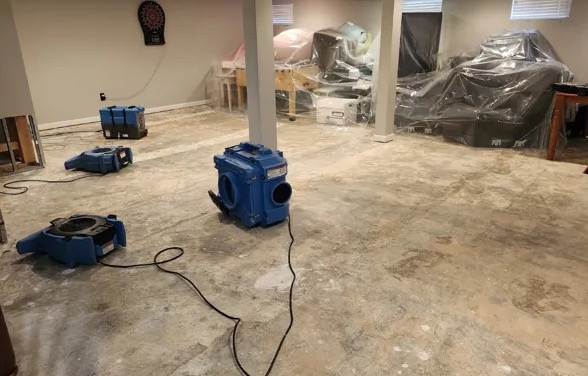
Fire and Smoke Odor Elimination Services in Brentwood Estates
After a fire, smoke odor soaks into drywall, wood, fabric, and the air itself. Whole-building deodorization specialists use fogging and ozone to break down odor at its source instead of covering it.
For homes in Brentwood Estates and nearby Brentwood, Oak Hill and Forest Hills, treating the air alone is not enough because odor binds to surfaces. Local pros clean, deodorize, and then seal porous materials.
Comprehensive Whole-Building Fire & Smoke Odor Removal Services
Surface Sealing for Residual Odor
Pros find surfaces that absorbed smoke and still smell after cleaning, then coat them so odor cannot seep back out.
HVAC Duct Smoke Cleaning
Pros clean ducts with brushes, vacuums, and cleaning agents, from the main trunks to each register, so soot is not blown back into rooms.
Electrostatic Soot Removal
Removing dry soot this way keeps it from being ground into surfaces, so hard surfaces come clean throughout the home.
Fire Damaged Material Removal
Burned drywall, melted plastics, and wet insulation cannot be cleaned, so the professionals remove and dispose of them.
Air Scrubbing for Whole Buildings
Scrubbers run during soot cleaning and deodorizing, removing particles stirred up as each area of the building is worked on.
Signs You Need Professional Fire Odor Removal
Metallic or Chemical Odor Present
A sharp chemical or metallic smell usually comes from burned plastics or synthetics and needs stronger deodorizing than cleaning alone.
Odor Stronger on Humid Days
A smoke smell that gets stronger on damp days means odor is trapped in porous materials and released when moisture rises.
Soot Residue on Walls and Ceilings
Black or gray soot on walls and ceilings shows smoke residue that household cleaners tend to smear rather than remove.
Soot in Electrical Outlets
Fine soot inside outlets and behind switch plates shows smoke reached into wall cavities, not just room surfaces.
How Whole-Building Fire & Smoke Odor Removal Works in Brentwood Estates
Step 1: Initial Deodorization With Fogging
The experts fog the building first, breaking down odor residue on surfaces throughout the structure.
Step 2: Content Decontamination and Cleaning
Salvageable belongings are cleaned, often off-site, with methods suited to each material so soot and odor come out.
Step 3: Whole-Building Air Exchange
Negative air machines and scrubbers exchange the indoor air, pulling out smoky air and replacing it with filtered air.
Step 4: Sealing for Residual Odor Control
Porous framing and subfloors are sealed so any last traces of odor stay locked in place.
Common Causes of Persistent Fire Odor
Secondary Water Damage
Water used to fight the fire can spread soot into new areas and carry odor into floors and wall cavities.
Absorption Into Soft Furnishings
Couches, carpets, and drapes trap smoke odor and release it slowly for weeks after the fire.
Thermal Movement of Odor Particles
Heat from a fire pushes smoke and odor into small cracks and gaps throughout the structure.
Smoke Penetration Into Porous Materials
Smoke odor soaks deep into drywall, wood, and insulation, which then release the smell for months if left untreated.
Residential & Commercial Whole-Building Fire & Smoke Odor Removal in Brentwood Estates
Residential Whole-Building Fire & Smoke Odor Removal
In homes, smoke odor in the HVAC system reaches every room. Pros clean the ducts, use electrostatic soot removal, and treat with ozone while the family is out.
Commercial Whole-Building Fire & Smoke Odor Removal
Commercial buildings have large air volumes to treat. Pros use industrial equipment for air scrubbing, removal of burned material, and sealing across whole floors.
Whole-Building Fire & Smoke Odor Removal vs. DIY Odor Removal Methods
Photograph the damage before cleaning or moving anything, and list affected belongings. Share the photos with your insurer, then leave deodorizing of walls and contents to pros.
Understanding Whole-Building Fire & Smoke Odor Removal Cost Factors
In Brentwood Estates, cost depends on how deep the smoke went and which materials it reached. Surface cleaning costs less than treating odor soaked into walls and insulation.
Content Cleaning Scope
The number and type of belongings to clean, and whether they go off-site, affect time and cost.
HVAC System Contamination
Cleaning ducts and HVAC parts adds equipment time and access work to the job.
Severity of Smoke Penetration
Heavy smoke residue needs more cleaning passes and repeat treatments than light surface soot does.
Does Insurance Cover Whole-Building Fire & Smoke Odor Removal?
Coverage depends on your policy language and the cause of the fire. The professionals document the damage with photos and notes for your claim file.
Why Choose Local Fire Restoration Professionals for Whole-Building Fire & Smoke Odor Removal
Residual Odor Prevention
Sealing porous surfaces locks in trace odor that cleaning misses, so it does not return after repairs.
Thorough Soot Removal
Electrostatic cleaning removes fine soot from surfaces, which has to happen before deodorizing can work.
IICRC-Standard Deodorization Methods
Pros follow established smoke odor protocols, treating odor at its source instead of covering it with fragrance.
24/7 Emergency Whole-Building Fire & Smoke Odor Removal Response
Early containment limits the spread of soot and odor through the building. Call (615) 257-3088 24/7 if your property needs help after a fire.
Call Now (615) 257-3088Areas Served for Whole-Building Fire & Smoke Odor Removal
The places below are also served, and each one has its own page.
- Whole-Building Fire & Smoke Odor Removal in Brentwood
- Whole-Building Fire & Smoke Odor Removal in Oak Hill
- Whole-Building Fire & Smoke Odor Removal in Forest Hills
- Whole-Building Fire & Smoke Odor Removal in Nolensville
- Whole-Building Fire & Smoke Odor Removal in Shelbyville
- Whole-Building Fire & Smoke Odor Removal in Lebanon
- Whole-Building Fire & Smoke Odor Removal in Mount Juliet
- Whole-Building Fire & Smoke Odor Removal in Chapel Hill
Frequently Asked Questions About Whole-Building Fire & Smoke Odor Removal
How effective is electrostatic soot removal?
Charged cleaning solutions attract fine soot and lift it off surfaces, which prepares them for deodorizing and paint.
Can fire smells come back after treatment?
They can if treatment is incomplete. Cleaning the ducts and sealing porous surfaces keeps odor from coming back after the work.
What is the first step in smoke damage cleanup?
Pros assess the damage, then remove burned debris and soot-covered materials so deep cleaning can begin.
Are personal belongings safe during ozone treatment?
People, pets, and plants must stay out during treatment. Most belongings can stay, though pros may remove items made of rubber or other sensitive materials.
What materials typically require fire damaged material removal?
Charred wood, melted plastics, contaminated insulation, and anything that cannot be cleaned or is unsafe are removed and disposed of.