Fairview, TN · Williamson County
Wall Mold Removal in Fairview, TNMold Spore Air Scrubbing & Wallpaper Mold Remediation
Wall Mold Removal in Fairview includes mold spore air scrubbing, wallpaper mold remediation, and drywall mold removal.
Answered 24/7
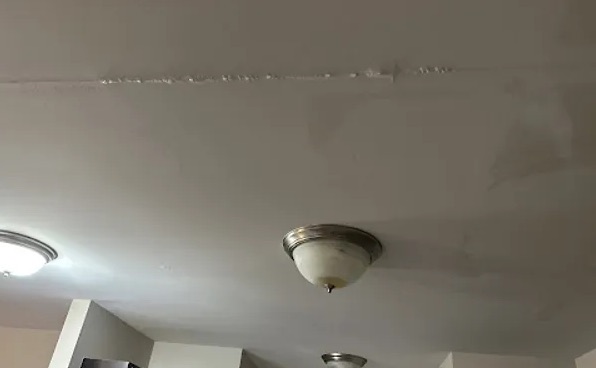
Comprehensive Wall Mold Removal in Williamson County
In properties throughout Fairview, hidden wall mold often stems from persistent moisture issues that require professional attention. Left unchecked, it leads to more extensive and costly repairs.
The mold remediation process for wall mold in Fairview, Bellevue, Franklin and Dickson focuses on source elimination and prevention. Local indoor air quality experts handle wallpaper mold remediation to mold prevention treatments, documenting damage for insurance claims.
Complete Wall Mold Removal Solutions
Mold Spore Air Scrubbing
Air scrubbing is a vital containment step. These powerful machines create negative air pressure, pulling spore-laden air through a series of filters. This controlled environment prevents cross-contamination, ensuring the remediation is effective and contained.
Wallpaper Mold Remediation
Mold remediation behind wallpaper often means the wallpaper cannot be saved. The experts in Fairview focus on preserving the wall surface while completely removing the contaminated covering and adhesive.
Black Mold Removal
Stachybotrys chartarum, often called black mold, requires careful handling. The experts establish full containment with negative air pressure to prevent toxic spore spread during the removal process, prioritizing safety for your household.
Mold Damaged Paint Removal
Blistering or peeling paint can signal mold underneath. The proper removal process, employed by the experts, eliminates all affected layers to reach the root of the problem before restoration or repainting.
Wall Cavity Mold Remediation
Hidden moisture behind walls fosters mold colonies in cavities. Remediation involves drilling access holes, using tools to apply antimicrobial agents deep inside, and ensuring the space is completely dry to prevent recurrence.
Signs of Mold Growth on Your Walls
New or Worsening Allergies
Unexplained respiratory issues, sneezing, or itchy eyes at home can be caused by airborne mold spores from wall growth.
Deteriorating Wood Baseboards
Soft, crumbling wood trim adjacent to walls can indicate spreading moisture and mold, complicating the mold remediation process.
Warped or Soft Drywall
Drywall that feels spongy or appears bulged suggests water damage and potential mold, requiring immediate drywall mold removal.
High Indoor Humidity Readings
Consistently high humidity levels above 60 percent promote mold growth on walls and require professional mold spore air scrubbing.
How Wall Mold Removal Works in Fairview
Step 1: Detailed Moisture and Mold Survey
The experts use thermal imaging and probes to find hidden moisture and mold behind walls, informing the precise mold remediation process needed.
Step 2: Controlled Demolition of Affected Walls
Damaged sections of wallboard are cut out and disposed of safely. This step is central to drywall mold treatment and prevents the spread of debris.
Step 3: Aggressive Air Filtration and Scrubbing
Air filtration devices run 24/7 to remove contaminants. This mold spore cleanup is essential for restoring safe indoor air during and after wallpaper mold remediation.
Step 4: Reconstruction Guidance and Documentation
Once remediation is complete, pros can provide documentation of the work and moisture readings, which may be useful for your insurance claim or future repairs.
Why Mold Grows on Interior Walls
Landscaping Grading Issues
Soil sloping toward the foundation directs groundwater against basement or crawlspace walls, promoting moisture and mold growth inside.
Faulty or Clogged Gutters
Gutters that overflow can saturate exterior walls, allowing water to seep inside and cause mold on walls removal scenarios.
Chronic High Indoor Humidity
Poor ventilation from showers or cooking raises humidity, allowing mold spores to settle and grow on cooler wall surfaces.
Condensation From Poor Insulation
Warm, moist air contacting cold exterior walls creates condensation inside, leading to mildew removal from walls being necessary.
Mold Remediation for Fairview Properties
Residential Wall Mold Removal
Mold on interior walls in homes threatens structure and air quality. The experts conduct mold spore cleanup and drywall mold treatment to eliminate odors and visible growth.
Commercial Wall Mold Removal
Office buildings and schools need discreet, effective mold solutions. The approach combines moisture mapping, professional mold remediation of affected walls, and HVAC cleaning to ensure a safe environment.
When DIY Mold Cleaning Fails in Fairview
Improving ventilation with dehumidifiers and exhaust fans is a good preventative step any homeowner can take. If you already see stains or smell mold, contact the pros for a proper assessment.
What Influences Wall Mold Removal Cost in TN?
The experts in Fairview provide estimates based on the mold remediation process your home requires. The cost to remove mold from drywall is different from treating mold behind wallpaper or addressing widespread spore contamination throughout a room.
Containment Requirements
Isolating the work area with plastic sheeting and negative air machines to prevent spore spread adds to the setup and equipment costs.
Post-Remediation Verification
A final mold inspection and testing by a third party to confirm successful cleanup is a common project closure step.
Prevention Treatments
Applying antimicrobial coatings or recommending humidity controls after cleanup are additional steps that contribute to the total project cost.
Does Insurance Cover Wall Mold Removal?
Homeowners insurance often requires proof mold stemmed from a sudden, covered water incident. Documentation from the experts detailing the source and extent is essential for the claim. The insurer makes the final determination on payout.
Benefits of Hiring Indoor Air Quality Experts for Wall Mold Removal
Safety-Oriented Demolition
Careful access into wall cavities minimizes dust and disturbance, allowing for effective wall cavity mold remediation when needed.
Air Quality Verification
The process often includes post-remediation testing or visual clearance to help confirm the indoor air has been properly addressed.
Source Identification Focus
Pros don't just clean visible mold; they diagnose and help address the moisture source to prevent future growth on walls.
24/7 Help for Severe Mold Issues
Spreading mold or major water damage behind walls needs 24/7 emergency service. Delay allows spores to spread. Call (615) 257-3088 for professional mold remediation. Local pros can advise on initial steps and prioritize an inspection.
Call Now (615) 257-3088Areas Served for Wall Mold Removal
Other places served are listed below, each with its own page.
Frequently Asked Questions About Wall Mold Removal
What causes mold to grow on interior walls?
The primary cause is excess moisture. This can come from plumbing leaks, roof leaks, high indoor humidity, condensation on cold surfaces, or water intrusion from outside due to faulty seals or drainage.
What are mold prevention treatments applied after removal?
These are EPA-registered antimicrobial coatings applied to cleaned, dry surfaces like wall studs and subflooring to inhibit future fungal growth. They are part of a complete strategy that includes moisture control.
What happens during mold damaged paint removal?
Paint blistered or stained by mold moisture must be scraped or sanded off. The underlying surface is then cleaned, treated, and must be completely dry before new primer and paint can be properly applied.
Is it safe to stay in my home during wall mold removal?
For small, contained projects, it may be possible. For larger toxic mold removal jobs, especially those involving black mold, temporary relocation is often recommended to avoid exposure to spores and cleaning chemicals.
How is mildew removal from walls different from mold removal?
Mildew is a surface mold that can often be cleaned with appropriate cleaners on non-porous surfaces. True mold removal implies deeper contamination requiring material removal and addressing the root moisture problem.