North Murfreesboro, TN
Mold Structural Damage Restoration in North Murfreesboro, TNMold Contaminated Insulation Removal & Structural Wood Mold Treatment
Mold Structural Damage Restoration in North Murfreesboro involves services like HVAC duct mold cleaning, mold damaged flooring removal, and post-remediation structural drying.
Answered 24/7
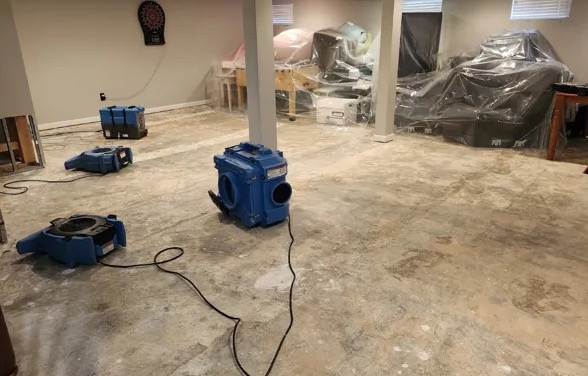
Mold Structural Damage Restoration Solutions in North Murfreesboro, Tennessee
Mold damage restoration in North Murfreesboro addresses both visible destruction and hidden hazards that affect structural stability and indoor air quality. Testing may be needed to find all affected areas in walls, floors and ducts.
For homes in the North Murfreesboro area, contaminated insulation and flooring are removed to protect the structure. The area's climate can influence moisture levels that promote fungal mold. Local mold remediation pros offer 24/7 emergency containment and cleanup.
Comprehensive Mold Structural Damage Restoration in North Murfreesboro
Mold Contaminated Insulation Removal
In homes throughout North Murfreesboro, attic or wall insulation often holds hidden mold. The pros conduct thorough removal to address both mold and moisture.
Structural Wood Mold Treatment
The pros assess penetration depth on load-bearing wood. They clean the wood and apply a mold-inhibiting sealant.
Emergency Mold Containment Setup
For 24/7 mold emergencies in North Murfreesboro, containment goes up first. The specialists isolate the damage before any restoration starts.
Subfloor Mold Remediation
The pros locate the source of subfloor mold. They remove damaged plywood, treat the joists below and dry the area.
Mold Infested Drywall Removal
Mold growth on drywall signals that moisture has penetrated the material. The removal process involves precise cutting, bagging the debris onsite, and thorough cleaning of the adjacent surfaces. The mold is removed, not just covered up.
When to Call for Mold Structural Damage Restoration in North Murfreesboro
Condensation on Windows or Pipes
Constant high humidity from condensation promotes mold growth on nearby structural materials and insulation.
Warping or Bubbling Drywall
When drywall softens, bulges, or shows bubbles, moisture and mold are likely inside the cavity.
Recent Water Damage Stains
Discolored ceilings or walls from past leaks can create the perfect environment for mold.
Musty Odors in Specific Rooms
A persistent earthy smell often signals hidden mold growth within walls, floors, or HVAC systems.
How Mold Structural Damage Restoration Works in North Murfreesboro
Step 1: Detailed Moisture Mapping
Using advanced sensors, the experts create a moisture map of all affected structural areas to guide the entire mold cleanup.
Step 2: HVAC Duct Mold Cleaning
If the HVAC system is contaminated, the ducts are cleaned to stop spores circulating.
Step 3: Contaminated Material Extraction
Mold-contaminated building materials like insulation and drywall are safely removed and disposed of according to local guidelines for mold abatement.
Step 4: Structural Integrity Restoration
Remaining wood and framing are then repaired and treated against new mold.
Typical Sources of Mold Structural Damage
Leaking Window or Door Seals
Failed caulking or seals allow rainwater intrusion into wall cavities, leading to mold on framing and insulation.
Foundation Water Seepage
Groundwater or poor drainage can wet subfloors and support posts, causing mold in crawl spaces and basements.
Condensation in HVAC Ducts
Temperature differences in ductwork can create condensation, leading to mold growth inside the air distribution system.
Roof Leaks Into Attics
Water intrusion from damaged shingles or flashing soaks insulation and wood, creating ideal mold growth conditions.
Mold Structural Damage Restoration for All Property Types in North Murfreesboro
Residential Mold Structural Damage Restoration
In homes, mold structural damage restoration addresses hidden mold in wall cavities, under flooring, and within attics. The pros remove drywall, treat the subfloor and dry the structure so the home is safe again.
Commercial Mold Structural Damage Restoration
For businesses, mold can disrupt operations and affect air quality in offices, retail spaces, or warehouses. The pros remove insulation and clean ducts with containment to limit business downtime.
Mold Structural Damage Restoration: Professional Help vs. Home Methods
A property owner can document visible damage by taking clear, dated photos of all affected areas for their insurance claim before any cleanup begins. Since coverage decisions belong entirely to the insurer, they should confirm policy specifics regarding mold structural damage restoration before authorizing any professional work to proceed.
Cost Considerations for Mold Structural Damage Restoration in North Murfreesboro
Price depends on how much moldy material must be removed and how complex the repairs to load-bearing parts are.
Access Challenges
Hard-to-reach areas like ducts or closed subfloors take more time and tools to clean.
Extent of Damage
The square footage of mold-compromised structural materials, from a small section to an entire wall system, dictates labor and material needs.
Demolition Scope
Removing mold damaged flooring or contaminated insulation increases debris disposal costs and replacement material expenses.
Does Insurance Cover Mold Structural Damage Restoration?
Insurance for black mold removal and structural fixes depends entirely on your individual policy's language and endorsements. Most cover mold only when it follows a covered water incident. The pros gather evidence like mold inspection findings for your insurer. You are responsible for verifying coverage details and submitting the claim to your provider.
Benefits of Local Mold Removal Specialists for Mold Structural Damage Restoration
Targeted Material Treatment
Each material gets its own procedure, such as structural wood versus ducts.
Structural Damage Focus
The work prioritizes assessing and addressing compromised load-bearing elements and building materials, not just surface mold cleanup.
Health-Safe Procedures
Containment and air filtration during mold infested drywall removal help protect indoor air quality in your home.
24/7 Emergency Mold Structural Damage Restoration in North Murfreesboro
For emergency mold containment setup to stop structural damage from spreading, call (615) 257-3088 at any hour. Early work by the specialists can help secure the area and begin assessment.
Call Now (615) 257-3088Mold Structural Damage Restoration in North Murfreesboro and Other Areas Served
Homes and businesses throughout North Murfreesboro can get mold contaminated insulation removal and subfloor mold remediation as part of mold structural damage restoration.
- Mold Structural Damage Restoration in Blackman
- Mold Structural Damage Restoration in Brentwood Estates
- Mold Structural Damage Restoration in Brentwood
- Mold Structural Damage Restoration in Cason Lane
- Mold Structural Damage Restoration in Chapel Hill
- Mold Structural Damage Restoration in Forest Hills
- Mold Structural Damage Restoration in Franklin
- Mold Structural Damage Restoration in Green Hill
FAQ on Mold Structural Damage Restoration in North Murfreesboro
How is mold and mildew removal from structural elements different?
Mildew is surface-level and can often be cleaned. Deep structural mold gets into materials, so those materials must be removed.
Does mold testing happen before and after restoration?
Pre-testing can identify spore types and levels. Testing after remediation is standard to confirm cleanup and drying worked.
Is mold infested drywall removal always necessary?
Drywall is porous and typically cannot be salvaged once mold is inside. Removal and replacement are standard to eliminate the mold reservoir and allow for structural drying.
How does black mold removal differ from regular mold cleanup?
Black mold, or Stachybotrys, often indicates prolonged moisture and may require more stringent containment and removal protocols due to potential health concerns, but the structural repair steps are similar.
Why is emergency mold containment setup important?
Containment with plastic sheeting and negative air pressure isolates the work area, preventing mold spores from spreading to clean parts of your home during remediation.