Brentwood Estates, TN · Williamson County
Mold Structural Damage Restoration in Brentwood Estates, TNStructural Wood Mold Treatment & Mold Damaged Flooring Removal
Mold Structural Damage Restoration in Brentwood Estates involves services like HVAC duct mold cleaning, mold damaged flooring removal, and post-remediation structural drying.
Answered 24/7
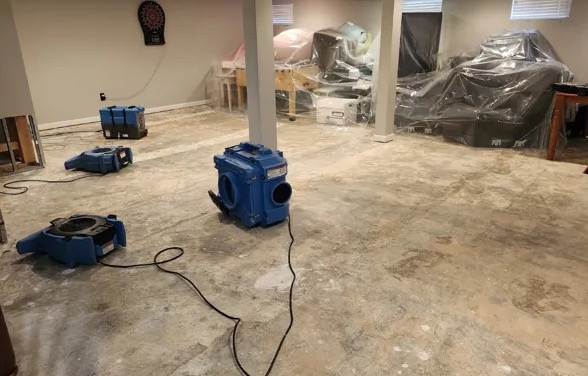
Professional Mold Structural Damage Restoration in Brentwood Estates, TN
In Brentwood Estates, properties with mold structural damage face issues like compromised indoor air quality and progressive decay of materials like wood and drywall. An inspection shows how far the problem goes.
In Brentwood Estates and nearby areas like Brentwood, Oak Hill and Forest Hills, structural mold usually comes from water that was never fixed. Properties benefit from quick action to prevent further compromise. Local mold remediation pros remove black mold and repair the structure afterward.
Comprehensive Mold Structural Damage Restoration in Brentwood Estates
Structural Wood Mold Treatment
Mold can break down wood fibers over time and weaken framing. Treatment cleans the wood and stops further decay, and badly weakened pieces are replaced.
Mold Damaged Flooring Removal
When mold damages flooring, the aesthetic surface is often just the tip of the problem. The removal process is methodical, prioritizing containment to prevent spore dispersal throughout your home during demolition.
HVAC Duct Mold Cleaning
Mold in air ducts spreads spores. Professional cleaning uses specialized brushes and vacuums to remove mold and apply treatment to inhibit regrowth.
Mold Infested Drywall Removal
The pros in Brentwood Estates handle damaged drywall carefully. They set up containment, remove the material, and sanitize underlying studs to prevent regrowth.
Post-Remediation Structural Drying
Drying after remediation keeps mold from returning. The pros set up targeted drying systems to eliminate residual moisture.
Warning Signs You Need Mold Structural Damage Restoration
Visible Mold Patches on Walls
Dark spots or fuzzy mold on drywall or wood surfaces indicate active mold damage behind the surface.
HVAC System With Dusty Smell
Mold in air ducts often circulates a dusty, musty odor whenever the heating or cooling runs.
Peeling Paint or Wallpaper
Adhesive failure and paint blistering are common signs of moisture and mold behind the surface.
Condensation on Windows or Pipes
Constant high humidity from condensation promotes mold growth on nearby structural materials and insulation.
How Mold Structural Damage Restoration Works in Brentwood Estates
Step 1: Source Stopping and Containment
The first action is to stop the water source if active and set up emergency mold containment to limit cross-contamination immediately.
Step 2: Systematic Demolition of Damaged Parts
Compromised structural elements are methodically removed. This often means removing drywall and opening subfloors.
Step 3: Deep Drying of Building Cavities
Industrial dehumidifiers and air movers dry wall cavities, joist bays, and subfloors thoroughly, a key phase in structural drying.
Step 4: Reconstruction Preparation and Documentation
Pros prepare the clean, dry area for rebuilding and provide documentation like photos and readings for your insurance claim review.
What Causes Mold Structural Damage
Leaking Window or Door Seals
Failed caulking or seals allow rainwater intrusion into wall cavities, leading to mold on framing and insulation.
Flooding From Storms
Stormwater entering a home saturates porous building materials, requiring drying to prevent structural mold damage.
High Indoor Humidity Levels
Consistent humidity above 60 percent allows mold spores on surfaces to germinate and colonize materials.
Chronic Plumbing Leaks
Slow drips inside walls or under floors provide constant moisture, leading to extensive structural mold damage over time.
Mold Structural Damage Restoration for All Property Types in Brentwood Estates
Residential Mold Structural Damage Restoration
Household mold damage restoration frequently starts in bathrooms, kitchens, and basements where moisture is common. The pros treat the subfloor and remove the mold at its source.
Commercial Mold Structural Damage Restoration
For schools or medical facilities, strict protocols govern mold remediation. Pros remove black mold and repair the structure to keep occupants safe and meet code.
Calling Mold Remediation Pros vs. DIY for Mold Structural Damage Restoration in Brentwood Estates
If you discover a small, surface mold patch on non-porous tile or glass, you can clean it with detergent. However, for any mold on drywall, wood, or insulation, call the pros for mold structural damage restoration to prevent improper handling that spreads spores.
Pricing for Mold Structural Damage Restoration in Brentwood Estates
The cost of mold structural damage restoration in Brentwood Estates is shaped by the square footage affected and the severity of mold colonization. Materials like framing lumber and drywall also factor into the final estimate.
Structural Drying
Post-remediation structural drying duration and the number of air movers or dehumidifiers needed influence the overall timeline and cost.
Material Type
Costs differ between treating porous wood studs versus non-porous materials, as each requires specific mold removal and restoration approaches.
Testing and Verification
Post-remediation mold testing to confirm clearance adds a final step and associated lab analysis fees.
Does Insurance Cover Mold Structural Damage Restoration?
Insurance coverage for mold structural damage restoration often depends on the source of the moisture. The pros document all damage with photos and moisture readings for a homeowner's claim submission. The final coverage decision rests solely with the insurance adjuster; homeowners should always confirm specifics directly with their provider.
Benefits of Local Pros for Mold Structural Damage Restoration
24/7 Emergency Response
Help is available to set up emergency mold containment and prevent further structural damage spread.
Health-Safe Procedures
Containment and air filtration during mold infested drywall removal help protect indoor air quality in your home.
Thorough Drying Protocols
Post-remediation structural drying uses industrial equipment to remove residual moisture from rebuilt cavities and materials.
24/7 Emergency Mold Structural Damage Restoration in Brentwood Estates
When mold from water damage compromises your home's framework, urgent action is needed. Reach the specialists at (615) 257-3088 day or night to start containment.
Call Now (615) 257-3088Mold Structural Damage Restoration in Brentwood Estates and Other Areas Served
Each place listed below has its own page with local details.
- Mold Structural Damage Restoration in Brentwood
- Mold Structural Damage Restoration in Oak Hill
- Mold Structural Damage Restoration in Forest Hills
- Mold Structural Damage Restoration in Nolensville
- Mold Structural Damage Restoration in Shelbyville
- Mold Structural Damage Restoration in Lebanon
- Mold Structural Damage Restoration in Mount Juliet
- Mold Structural Damage Restoration in Chapel Hill
Your Mold Structural Damage Restoration Questions Addressed
What happens during post-remediation structural drying?
After mold removal and repairs, industrial dehumidifiers and air movers dry out new materials and adjacent structures to prevent residual moisture from causing new mold growth.
Does mold testing happen before and after restoration?
Pre-testing can identify spore types and levels. Testing after remediation is standard to confirm cleanup and drying worked.
How is mold and mildew removal from structural elements different?
Mildew is surface-level and can often be cleaned. Deep structural mold gets into materials, so those materials must be removed.
Why is structural drying a separate phase after mold removal?
Drying removes moisture left from the leak or the remediation, which prevents mold from coming back.
Is mold infested drywall removal always necessary?
Drywall is porous and typically cannot be salvaged once mold is inside. Removal and replacement are standard to eliminate the mold reservoir and allow for structural drying.