Portland, TN · Sumner County
Water-Damaged Flooring Removal in Portland, TNHardwood Floor Water Damage & Vinyl Floor Water Damage
Water-Damaged Flooring Removal in Portland covers wet carpet removal, tile floor water cleanup and vinyl floor water damage.
Answered 24/7
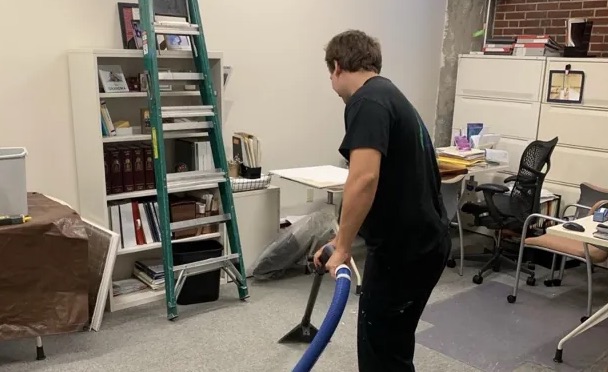
Expert Water-Damaged Flooring Removal for Portland Homes
For properties in Portland, removing wet carpet is often the first step after a spill or flood. Soaked pad holds water against the subfloor, where it causes odors and rot.
When disaster strikes, Portland residents need reliable emergency extraction. Water damage pros dry subfloors and check moisture thoroughly to protect property value in Portland and nearby towns.
Detailed Water-Damaged Flooring Removal Procedures
Hardwood Floor Water Damage
Pros check for water between and under boards, since controlled drying can sometimes save the floor.
Vinyl Floor Water Damage
Even waterproof vinyl can trap water underneath, so pros remove it in the wet area and dry.
Tile Floor Water Cleanup
Grout holds moisture against the subfloor, so pros in Portland test it and dry or repair the base layer.
Floor Moisture Inspection
Readings across the floor set drying goals and confirm when the structure is ready for repair.
Subfloor Drying Services
Drying the subfloor fully prevents squeaks, soft spots and odors after water damage in Portland.
When to Consider Water-Damaged Flooring Removal for Your Floors
Visible Mold on Baseboards
Dark spots on baseboards or along wall edges point to water problems at floor level.
Loose or Lifting Floor Tiles
Loose tiles or bubbling laminate planks show the adhesive or core has been weakened by water.
Musty Odors From Floors
An earthy smell from the floor often means moisture is trapped under the surface.
Vinyl Flooring Seam Separation
Seams pulling apart in vinyl plank or sheet flooring show moisture has weakened it.
How Water-Damaged Flooring Removal Works in Portland
Step 1: Emergency Water Extraction
Truck-mounted or portable extractors remove all standing water from the floor and carpet pad.
Step 2: Flooded Floor Material Removal
Wet carpet, swollen laminate or buckled hardwood is removed carefully and prepared for disposal.
Step 3: Subfloor Drying and Inspection
Air movers and dehumidifiers dry the exposed subfloor while meters track progress to a safe level.
Step 4: Site Preparation for Replacement
The area is cleaned, sanitized if needed and leveled to create a dry base for new flooring.
Common Causes of Water Damage in Portland
Pet Accidents and Spills
Repeated pet accidents or large spills that are not dried can soak into flooring seams.
Appliance Leaks and Overflows
Leaking dishwashers, washing machines or water heaters can flood floors with a lot of water.
Foundation or Slab Leaks
Cracks in a foundation or slab let groundwater seep up into the flooring above.
Plumbing Fixture Failures
Leaky supply lines under sinks, toilet overflows or failed valves soak nearby flooring.
Residential and Commercial Water-Damaged Flooring Removal in Portland
Residential Water-Damaged Flooring Removal
After a pipe burst at home, pros extract water from living rooms and bedrooms, assess hardwood and dry the subfloor.
Commercial Water-Damaged Flooring Removal
Restaurant kitchens and locker rooms need tile floors dried with industrial equipment and the damage documented for insurance.
Water-Damaged Flooring Removal vs. DIY: When to Call Flooring Restoration Experts
For a small fresh spill, blot water from hardwood, laminate or tile with towels and lift rug corners to air them. If there is standing water or the floor feels spongy, contact the pros.
Understanding Water-Damaged Flooring Removal Cost in Portland
Hard-to-reach areas and difficult materials like glued tile or parquet take longer to remove and cost more as a result.
Water Damage Severity
Heavily soaked materials or long-running leaks take more intensive extraction work and time.
Affected Square Footage
Larger wet areas need more labor time, hauling and disposal for the job.
Access and Complexity
Moving furniture, glued vinyl or tight room access all add labor time.
Does Insurance Cover Water-Damaged Flooring Removal?
For tile or carpet damage, your insurer decides coverage from your policy's water damage terms. Pros supply the evidence for the claim.
Advantages of Local Experts for Water-Damaged Flooring Removal
24/7 Emergency Response
Quick action limits further damage and keeps more flooring from needing removal.
IICRC-Standard Drying Methods
Drying follows accepted industry methods so subfloors and nearby materials are fully dried.
Advanced Moisture Detection
Moisture meters find wetness under materials and behind walls that a visual check misses.
24/7 Water-Damaged Flooring Removal Assistance in Portland
When laminate must come out quickly, reach the pros at (615) 257-3088. Their 24/7 availability means subfloor drying can start promptly, before rot sets in.
Call Now (615) 257-3088Water-Damaged Flooring Removal in Portland and Other Areas Served
Each place listed below has its own page with local details.
- Water-Damaged Flooring Removal in White House
- Water-Damaged Flooring Removal in Gallatin
- Water-Damaged Flooring Removal in Hendersonville
- Water-Damaged Flooring Removal in Goodlettsville
- Water-Damaged Flooring Removal in Springfield
- Water-Damaged Flooring Removal in Ashland City
- Water-Damaged Flooring Removal in Cookeville
- Water-Damaged Flooring Removal in Dickson
Common Water-Damaged Flooring Removal Questions Answered
Can flooring be replaced immediately after removal?
No. The subfloor must be fully dry and pass a moisture check before new flooring goes in.
Is wet carpet removal a DIY job?
It is not recommended, since removal can spread contamination and miss hidden moisture underneath.
Are baseboards affected during this process?
Baseboards often absorb water and may need removal or drying to keep moisture from staying behind walls.
How quickly should wet carpet removal begin?
As soon as possible, ideally within hours, before stains, odors and subfloor damage set in.
What follows emergency floor water extraction?
Pros decide which flooring must come out, then set up drying equipment for the structure underneath.