Spring Hill, TN · Maury County
Water Damage Assessment in Spring Hill, TNWater Leak Source Detection & Drying Equipment Plan Development
Water Damage Assessment in Spring Hill includes water leak source detection, moisture mapping, and structural damage inspection.
Answered 24/7
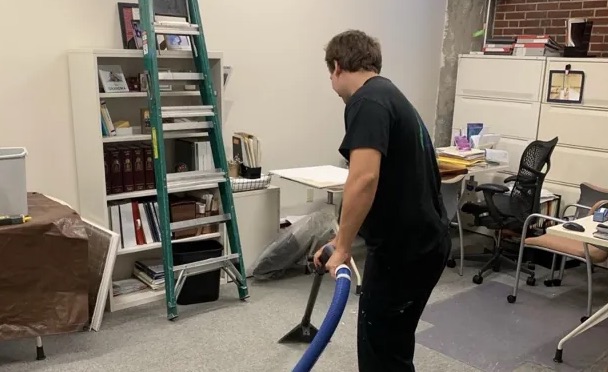
Detailed Water Damage Assessment in Spring Hill
In Spring Hill, an inspection after a leak or flood shows the risk to building materials and belongings, and what restoration is needed.
In Spring Hill and nearby Thompson's Station, Columbia and Franklin, local water damage pros find leaks, map moisture, inspect the structure and evaluate contents to plan the restoration work.
Water Damage Assessment Methods Used in Spring Hill
Water Leak Source Detection
Stopping the flow is the first goal. Local water damage pros conduct a methodical inspection to find active leaks, from drips to major failures.
Drying Equipment Plan Development
The assessment translates into equipment selection. The pros determine the number of air movers, dehumidifier capacity, and need for supplemental tools.
Structural Damage Inspection
Water weakens structural components like framing, subfloors, and support beams. During water damage assessment, the pros evaluate these elements for swelling, warping, softening, or decay.
Moisture Mapping
Accurate moisture mapping reveals invisible damage. The pros scan walls and floors with meters to find trapped moisture in construction materials.
Hidden Water Damage Inspection
Hidden water damage can go unnoticed behind walls and under floors. The pros use moisture meters and thermal imaging to find concealed moisture.
Warning Signs You Need Water Damage Assessment in Spring Hill
Spongy or Soft Drywall
Walls that feel soft to the touch indicate significant water saturation, a key finding in any home water damage evaluation.
Peeling Paint or Wallpaper
Blisters or peeling finishes on walls often mean trapped moisture is compromising the adhesive and drywall behind the surface.
Visible Mold Patches
Spots of mold on surfaces are a clear sign of excess moisture and demand a thorough mold inspection after water damage.
Rust on Pipes or Appliances
Corrosion on metal pipes, water heater tanks, or under sinks can be a symptom of persistent condensation or minor leaks.
How Water Damage Assessment Works in Spring Hill
Step 1: Initial Flood Damage Assessment
The pros conduct an emergency water damage inspection to understand the extent and severity of the incident, prioritizing safety and immediate actions.
Step 2: Scientific Moisture Meter Reading Analysis
Moisture meters measure how wet each material is, and the readings are put on a map showing where the water went.
Step 3: Mold Risk and Category Determination
The assessment includes a mold growth risk assessment based on moisture levels and time. The pros also classify the water type to guide cleanup methods.
Step 4: Comprehensive Documentation and Estimate
All findings are compiled into a formal report with visual evidence. You are presented with a clear restoration scope and estimate outline for the work ahead.
Typical Water Leak Origins in Spring Hill
Sewer Line Backups and Overflows
Blockages in the main sewer line can force contaminated water back through drains, creating a severe Category 3 water hazard.
Plumbing Leaks and Burst Pipes
Failed pipe joints, corrosion or freezing can cause sudden floods or slow hidden leaks.
Human Error and Accidental Overflows
Overflowing bathtubs, sinks, or toilets are common household incidents that can quickly cause significant water damage if not addressed.
Roof Leaks and Compromised Flashing
Damaged shingles, cracked flashing, or clogged gutters allow water to seep into attics and walls during rainstorms.
Residential and Commercial Water Damage Assessment in Spring Hill
Residential Water Damage Assessment
In condos and houses, the assessment checks damp areas like crawl spaces for mold risk, which shapes the drying plan.
Commercial Water Damage Assessment
For restaurants and hotels, the pros check kitchens, laundry areas and guest rooms so health concerns are part of the cleanup plan.
Calling Local Pros vs. Self-Inspection for Water Damage
If a small leak has an obvious source, such as a pipe under the sink, shut off the valve and wipe up the water. If the source is unclear or water has spread, have the area checked for hidden moisture.
Water Damage Assessment Cost in Spring Hill, TN
Pricing for flood damage assessment in Spring Hill considers the category and class determination of the water and the development of a drying equipment plan.
Documentation for Insurance
A detailed report with photos and moisture readings for a claim takes extra time.
Extent of Water Intrusion
The size of the leak and the number of rooms affected set how long the inspection takes.
Drying Plan Complexity
Developing a detailed drying equipment plan for a large-scale flood damage assessment influences the initial evaluation phase.
Does Insurance Cover Water Damage Assessment?
Coverage for flood damage assessment varies by insurance policy type and the incident's cause. The pros follow industry-standard methods to produce evidence for the homeowner's claim.
Why Choose Local Pros for Water Damage Assessment in Spring Hill
Focus on Source Detection
Identifying the exact water leak source is prioritized to prevent ongoing damage during the assessment phase.
Category and Class Analysis
Water is classified by category and evaporation class to determine the appropriate drying strategy and restoration response.
Detailed Moisture Mapping
Meters and thermal cameras show the full extent of the water, including what is hidden.
Emergency Water Damage Assessment in Spring Hill, TN
If you discover a leak, call (615) 257-3088 for emergency water damage assessment. Early action allows the specialists to start evaluating structural impact and moisture levels.
Call Now (615) 257-3088Spring Hill and Region Water Damage Assessment Availability
Each place listed below has its own page with local details.
Frequently Asked Questions About Water Damage Assessment
What does a water damage report include?
The report details findings from all inspection phases, including photos, moisture readings, identified sources, damage descriptions, and the recommended restoration scope.
Why is moisture mapping important after a leak?
It records every affected area on a map, which guides drying and supports an insurance claim.
Is mold inspection after water damage always necessary?
While not always immediately visible, assessing mold risk is a prudent part of the process, as mold can begin growing within 24-48 hours in damp conditions.
What tools are used for hidden water damage detection?
The pros use moisture meters, thermal imaging cameras, and borescopes to locate moisture behind walls and under floors without invasive demolition.
What is the difference between water damage inspection and restoration?
Inspection is the diagnostic phase that assesses and documents the damage. Restoration is the physical work of drying, cleaning, and repairing based on that assessment.