Columbia, TN · Maury County
Emergency Damage Restoration in Columbia, TNFirefighting Water Cleanup & Storm Damage Repair
Emergency Damage Restoration in Columbia runs from emergency water extraction and storm damage repair to structural drying services.
Answered 24/7
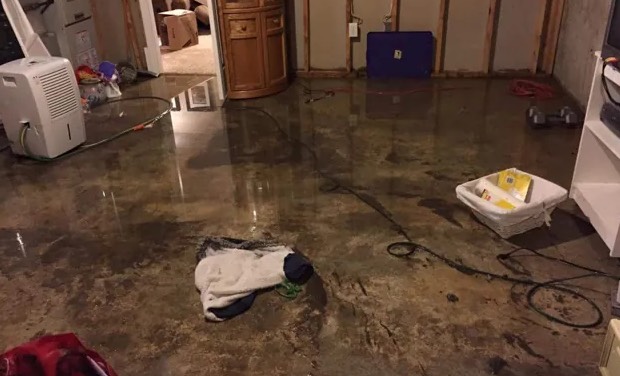
Emergency Damage Restoration Experts Serving Columbia, TN
Emergency Damage Restoration in Columbia ends with a dry structure and a clear record. Final readings confirm walls, floors and framing are dry, and photos and logs document the work.
A storm in Columbia can damage many buildings at once. Local flood restoration professionals serve Columbia and nearby Spring Hill, Thompson's Station and Lewisburg, with help available around the clock.
Complete Emergency Damage Restoration Services in Columbia
Firefighting Water Cleanup
Rooms that got wet but not burned are dried quickly so they can be repaired rather than replaced.
Storm Damage Repair
Storm water is cleared from ceilings, walls and floors, and wet insulation and drywall are removed where needed so the structure can dry.
Sewage Backup Cleanup
After extraction, every surface the sewage touched is cleaned and disinfected before drying equipment goes in.
Structural Drying Services
Equipment is moved each day based on readings, keeping drying focused on the areas that are still wet.
Mold Remediation Services
Materials with mold after a leak are removed in a contained area, and the framing is cleaned and dried before rebuilding.
How to Know You Need Emergency Damage Restoration in Columbia
Persistent Musty Odors
A musty smell that will not go away often means hidden moisture in walls, floors or the ceiling.
Warped or Buckling Flooring
Flooring that cups, buckles or lifts at the seams has water trapped underneath it.
Gaps or Damage After a Storm
Missing shingles, broken windows or other storm damage can let rain into the building during the next storm.
Visible Water Pooling or Dripping
Water pooling on floors or dripping from ceilings means an active leak that needs attention right now.
How Emergency Damage Restoration Works in Columbia
Step 1: Emergency Contact and Assessment
You call any hour, and the source, type of water and safety hazards are checked on the first visit.
Step 2: Water Extraction and Removal
Pumps and extractors remove standing water, starting where it is deepest or most damaging.
Step 3: Drying and Dehumidification
Air movers and dehumidifiers dry walls, floors and framing, with readings taken every day.
Step 4: Cleaning and Sanitizing
Surfaces touched by dirty water are cleaned and disinfected once the water is out.
Leading Causes of Emergency Damage in Columbia
HVAC System Condensate Issues
Clogged AC condensate drains overflow into closets, attics and the ceilings of the rooms below.
Burst or Leaking Pipes
Pipes can crack or burst from age, pressure or cold weather, releasing water quickly.
Severe Weather and Flooding
Severe storms and flooding push water into buildings through roofs, walls and doors.
Roof Leaks From Storm Damage
Storm-damaged roofs let rain pour into attics, ceilings and the rooms below.
Property Emergency Damage Restoration for All Buildings in Columbia
Residential Emergency Damage Restoration
Homeowners after a fire often find water damage in rooms the fire never touched. Those rooms are extracted and dried first.
Commercial Emergency Damage Restoration
Commercial buildings after a sprinkler discharge may have water on several floors. Each floor is extracted and dried in order.
The Risks of DIY Emergency Damage Restoration in Columbia
Do not walk into standing water if outlets or cords are submerged. Turn off power at the panel only if you can reach it from a dry spot, then call (615) 257-3088.
What Influences Emergency Damage Restoration Expenses in Columbia
After-hours calls, contents handling, roof tarping and drywall removal all add to the total for emergency damage restoration in Columbia.
Secondary Damage
Damage that spread because water sat for days adds more materials to remove and replace.
Damage Extent
More rooms and materials affected means more extraction, removal and drying time.
Duration of Work
Drying often takes several days, and night or holiday calls can cost more than scheduled visits.
Does Insurance Cover Emergency Damage Restoration?
After a fire or storm, water damage is usually part of the same claim. Make sure the adjuster sees every wet room, not just the most obvious damage.
Benefits of Local Pros for Emergency Damage Restoration in Columbia
Drying Equipment
Air movers and dehumidifiers are placed from readings and adjusted every day.
Damage Assessment
The whole affected area is checked, including rooms next to and below the source.
Structural Checks
Floors, ceilings and framing are checked for weakness before and during the work.
24/7 Emergency Damage Restoration Response for Columbia Properties
Water emergency in Columbia? Shut off the source, turn off power to wet areas if safe and call (615) 257-3088. Help is available 24/7.
Call Now (615) 257-3088Emergency Damage Restoration Coverage Area for Columbia, TN
Each place listed below has its own page with local details.
- Emergency Damage Restoration in Spring Hill
- Emergency Damage Restoration in Lewisburg
- Emergency Damage Restoration in Gallatin
- Emergency Damage Restoration in Goodlettsville
- Emergency Damage Restoration in Hartsville
- Emergency Damage Restoration in McMinnville
- Emergency Damage Restoration in Fairview
- Emergency Damage Restoration in Joelton
Emergency Damage Restoration FAQs
When is removal of mold needed after water damage?
When materials stayed wet long enough for mold to appear. Fast drying usually prevents it.
How is hidden moisture found during an inspection?
Moisture meters and thermal cameras show water inside walls, under floors and above ceilings.
What steps follow the water removal after a fire?
Wet debris is removed, the structure is dried and readings confirm the rooms are ready for repair.
Can storm damage repair prevent future water problems?
Tarping roof openings and drying the inside limits damage. Permanent roof and window repairs prevent the next leak.
What makes a water damage situation an emergency?
Water that is still spreading, sewage, sagging ceilings, water near electrical systems or flooding in several rooms.