Clarksville, TN · Montgomery County
Emergency Damage Restoration in Clarksville, TNEmergency Water Removal & Storm Damage Repair
Emergency Damage Restoration in Clarksville covers emergency water extraction, flood damage cleanup and structural drying services.
Answered 24/7
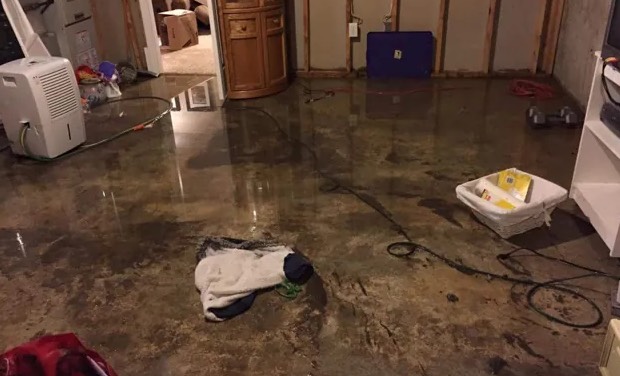
Professional Emergency Damage Restoration in Clarksville, TN
Emergency Damage Restoration in Clarksville ends with a dry structure and a clear record. Final readings confirm walls, floors and framing are dry, and photos and logs document the work.
A storm in Clarksville can damage many buildings at once. Local flood restoration professionals serve Clarksville and nearby Southside, Ashland City and Springfield, with help available around the clock.
Emergency Damage Restoration Services in Clarksville
Emergency Water Removal
Help is available any hour, because water damage gets worse every hour it is left in place.
Storm Damage Repair
Storm water is cleared from ceilings, walls and floors, and wet insulation and drywall are removed where needed so the structure can dry.
Sewage Backup Cleanup
Sewage from a backed-up drain or toilet is extracted with protective gear, the area is contained and soaked materials are removed.
Flood Damage Cleanup
Floodwater from outside is pumped out, mud and debris are cleared and soaked porous materials are removed before drying begins.
Emergency Water Extraction
When water is spreading, pumps and extractors go in as soon as the source is shut off, pulling water from floors, carpet and low spots first.
When to Call for Emergency Damage Restoration in Clarksville
Damaged or Saturated Possessions
Wet furniture, rugs, papers and belongings need to be moved out of the water and dried or listed.
Persistent Musty Odors
A musty smell that will not go away often means hidden moisture in walls, floors or the ceiling.
Mold Patches on Walls or Baseboards
Dark spots on walls, ceilings or baseboards mean an area has stayed wet for days.
Unexplained Spike in Water Bills
A sudden jump in the water bill with no change in use can point to a hidden leak.
How Emergency Damage Restoration Works in Clarksville
Step 1: On-Scene Evaluation and Triage
The most urgent areas, such as sagging ceilings or water near outlets, are handled first.
Step 2: Water Removal
Standing water is pumped out, and soaked carpet pad and drywall are removed where needed.
Step 3: Dehumidification and Moisture Control
Dehumidifiers bring humidity down while air movers keep dry air moving across wet surfaces.
Step 4: Contents Cleaning
Belongings are cleaned, dried or listed, and the space is readied for repairs.
Leading Causes of Emergency Damage in Clarksville
Chronic Moisture and Condensation
Ongoing condensation and humidity slowly damage walls, ceilings and framing over time.
Roof Leaks From Storm Damage
Storm-damaged roofs let rain pour into attics, ceilings and the rooms below.
Firefighting Water
Water from hoses and sprinklers used to put out a fire soaks rooms throughout the building.
Appliance Malfunctions and Overflows
Washers, water heaters and dishwashers fail without warning and flood nearby rooms.
Emergency Damage Restoration for Residential & Commercial Properties in Clarksville
Residential Emergency Damage Restoration
Homeowners dealing with storm damage may need a tarp over the roof or broken windows while the inside is extracted and dried.
Commercial Emergency Damage Restoration
Restaurants, medical offices and schools need contaminated water cleaned up to the health rules for those spaces before reopening.
The Risks of DIY Emergency Damage Restoration in Clarksville
A small spill on a hard floor can be mopped and dried with a fan. Water in carpet pad, walls or subfloors needs extraction and drying equipment.
Understanding Emergency Damage Restoration Costs in Clarksville
The pros assess the damage before pricing emergency damage restoration in Clarksville, then explain what will be extracted, removed and dried.
Damage Extent
More rooms and materials affected means more extraction, removal and drying time.
Access Complexity
Multi-story buildings, crawl spaces and attics take more time to reach and work in.
Equipment Needs
The number of pumps, extractors, air movers and dehumidifiers needed affects the total cost.
Does Insurance Cover Emergency Damage Restoration?
Insurers expect you to limit further damage. Calling for extraction right away and keeping records helps show that you did.
Advantages of Hiring Local Pros in Clarksville for Emergency Damage Restoration
Drying Equipment
Air movers and dehumidifiers are placed from readings and adjusted every day.
24/7 Emergency Response
Help is available day or night, because water emergencies cannot wait for business hours.
Step by Step
Work follows a set order: stop the water, extract, remove what cannot be saved, dry and confirm.
24/7 Emergency Damage Restoration Response for Clarksville Properties
Sewage backing up or storm water pouring in? Call (615) 257-3088 now for emergency damage restoration in Clarksville and keep people away from the water.
Call Now (615) 257-3088Emergency Damage Restoration Coverage Area for Clarksville, TN
The places below are also served, and each one has its own page.
- Emergency Damage Restoration in Ashland City
- Emergency Damage Restoration in Springfield
- Emergency Damage Restoration in Joelton
- Emergency Damage Restoration in Dickson
- Emergency Damage Restoration in Crossville
- Emergency Damage Restoration in Bowling Green
- Emergency Damage Restoration in Cookeville
- Emergency Damage Restoration in Portland
Emergency Damage Restoration FAQs
When is removal of mold needed after water damage?
When materials stayed wet long enough for mold to appear. Fast drying usually prevents it.
What is the goal of disaster recovery after water damage?
To remove water, dry the structure and leave the property ready for repairs without hidden moisture.
What happens to water damage after a fire?
Firefighting water is extracted, soaked materials are removed and the rooms around the fire are dried.
Why is quick action so important for water damage?
Materials soak up more water every hour, and mold becomes more likely after a day or two.
What is involved in emergency water extraction?
Stopping the water, making power safe, pumping and extracting standing water and starting drying.