Franklin, TN · Williamson County
Black Mold Remediation & Removal in Franklin, TNHEPA Vacuuming For Mold Spores & Mold-Contaminated Material Removal
Black Mold Remediation & Removal in Franklin features black mold inspection, HEPA vacuuming for mold spores, and moisture source correction for mold abatement.
Answered 24/7
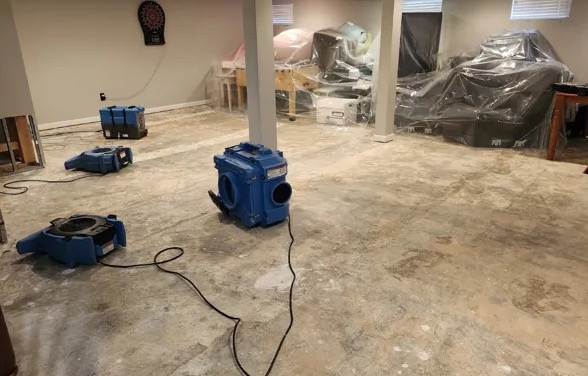
Professional Black Mold Remediation & Removal in Franklin, TN
Black mold in a Franklin property needs proper containment and removal. Testing can identify the species, but removal must not spread spores.
Black mold remediation and removal for properties in Franklin and nearby places like Brentwood Estates, Thompson's Station and Brentwood addresses localized moisture issues that foster toxic mold. The process includes HEPA vacuuming and antimicrobial treatment.
Black Mold Remediation & Removal Offerings for Franklin Residents
HEPA Vacuuming for Mold Spores
HEPA vacuuming services target remaining particulate on floors, walls, and other hard surfaces. These vacuums are designed to trap extremely small particles that standard vacuums would recirculate into the air.
Mold-Contaminated Material Removal
Porous materials like drywall, insulation, and carpeting that are heavily contaminated with black mold are typically removed and discarded. This removes most of the mold.
Post Remediation Verification
A final verification step provides documentation that the remediation process has been successfully concluded. This assessment checks that all agreed-upon work has been completed to standard.
Antimicrobial Treatment for Mold Remediation
The application of EPA-registered antimicrobial solutions helps sanitize the areas where mold was removed. It treats surfaces to discourage new mold.
Mold Containment Procedures
The zone is sealed with plastic sheeting and a decontamination chamber. These measures are taken to control the environment and prevent cross-contamination.
Indicators for Black Mold Remediation & Removal in Your Home
Recent Water Damage History
Previous leaks, flooding, or high humidity events create the perfect environment for toxic mold to begin growing unseen.
Persistent Musty Odors
A strong, earthy smell that lingers in certain rooms or areas often points to hidden mold growth behind walls or under flooring.
Damp Basement or Foundation Walls
Efflorescence, damp spots or general dampness in lower levels are ideal for black mold.
Deteriorating Attic or Crawlspace
Wet insulation, rotted wood or visible mold in these hidden spaces are common signs of a serious mold problem.
How Black Mold Remediation & Removal Works in Franklin
Step 1: Detailed Scope and Moisture Mapping
Mold removal experts conduct an inspection to define the full scope, using tools to detect hidden moisture and plan the mold remediation process.
Step 2: Advanced Air Quality Management
Air scrubbers filter airborne particles during mold remediation, while containment helps limit their movement into adjacent spaces.
Step 3: Complete Material Removal and Treatment
The core of black mold removal is the safe disposal of contaminated drywall, insulation, or carpet.
Step 4: Final Inspection and Source Correction
The final action is moisture source correction, the key to long-term mold prevention success.
Common Causes of Black Mold in Franklin
Poor Bathroom Ventilation
Inadequate exhaust fans allow steam from showers to saturate walls and ceilings, creating a perfect habitat for black mold growth.
Roof Leaks and Plumbing Failures
Slow roof or pipe leaks put moisture into wall cavities and ceilings, where mold grows unseen.
Foundation Cracks and Seepage
Water seepage through cracks in the foundation or slab introduces ground moisture, a common cause of mold in basement and crawl spaces.
Condensation on Cold Surfaces
Warm, moist air contacting cold pipes, windows, or exterior walls causes condensation, which soaks into materials and feeds mold growth.
Residential and Commercial Black Mold Remediation & Removal in Franklin
Residential Black Mold Remediation & Removal
Bathrooms and kitchens are high-risk residential areas for mold due to steam and leaks. The mold remediation process here focuses on moisture source correction and antimicrobial treatment to prevent regrowth.
Commercial Black Mold Remediation & Removal
Restaurants and fitness centers face unique mold risks from constant humidity and water use. Specialists in mold damage restoration address these environments with aggressive drying and material removal protocols.
Black Mold Remediation & Removal vs. DIY: When to Call Local Specialists
You can safely clean visible mold from a small area of a hard surface while wearing an N-95 mask and gloves. For any suspected black mold in walls, ceilings, or HVAC systems, avoid disturbing it and contact the experts to prevent spore dispersal.
Pricing for Black Mold Remediation & Removal Services in Franklin
Mold remediation cost factors include the severity and persistence of the moisture source, such as a plumbing leak or faulty roof flashing, which dictates the scope of drying and corrective repairs needed.
Material Removal Volume
The amount of drywall, insulation, or flooring that is unsalvageable and requires disposal affects debris hauling and replacement costs.
Air Scrubber Requirements
The number and size of HEPA filtration units needed to clean the air during the mold remediation process influence equipment fees.
Extent of Contamination
The square footage of mold growth and whether it's surface-level or deep within structural materials dictates labor and material scope.
Does Insurance Cover Black Mold Remediation & Removal?
Insurance coverage for mold damage restoration often depends on the source of the water. Mold from a sudden, accidental discharge may be covered, while mold from long-term humidity or neglect typically is not. Confirm your policy's mold endorsement with your insurance provider before remediation begins.
Reasons to Select Mold Remediation Specialists in Franklin for Mold
Industry-Standard Remediation Methods
Containment, removal and cleaning take out mold colonies and help prevent regrowth.
Safe Contaminated Material Removal
Mold-damaged drywall and insulation are bagged and sealed on-site for safe disposal, following local regulatory guidelines.
Containment Barrier Installation
Sealing the work area with plastic sheeting prevents the cross-contamination of mold spores to clean parts of your property.
24/7 Emergency Black Mold Remediation & Removal in Franklin, TN
A mold problem can escalate overnight. For urgent black mold remediation and air scrubber deployment to protect your indoor air, make the emergency call to (615) 257-3088.
Call Now (615) 257-3088Black Mold Remediation & Removal Service Area Including Franklin
Other places served are listed below, each with its own page.
- Black Mold Remediation & Removal in Brentwood Estates
- Black Mold Remediation & Removal in Thompson's Station
- Black Mold Remediation & Removal in Brentwood
- Black Mold Remediation & Removal in Forest Hills
- Black Mold Remediation & Removal in Oak Hill
- Black Mold Remediation & Removal in Green Hill
- Black Mold Remediation & Removal in Lebanon
- Black Mold Remediation & Removal in Mount Juliet
Your Black Mold Remediation & Removal Questions Addressed
How can mold prevention be maintained after remediation?
Keep humidity low, fix leaks promptly, vent bathrooms and kitchens and check damp-prone areas regularly.
What is the black mold remediation process?
The process covers inspection, containment, removal of contaminated materials, HEPA vacuuming, antimicrobial treatment and verification testing.
What equipment is used for mold damage restoration?
Pros use containment barriers and negative air machines, HEPA vacuums and air scrubbers, personal protective equipment, tools for controlled demolition, moisture meters for detection, and antimicrobial spraying equipment.
What are the signs of a black mold problem?
Visible black or dark greenish mold, a persistent musty odor, and unexplained allergic symptoms or health issues among occupants can indicate a mold issue.
Why is air scrubber installation used for mold?
Air scrubbers with HEPA filters continuously clean the air inside the containment zone, capturing airborne mold spores released during the removal and cleaning process.