Bowling Green, KY · Warren County
Attic Water Damage Restoration in Bowling Green, KYAttic Drying Services & Roof Leak Water Removal
Attic Water Damage Restoration in Bowling Green runs from roof leak water removal and attic leak water cleanup to attic drying services.
Answered 24/7
Get Help with Attic Water Damage Restoration in Bowling Green
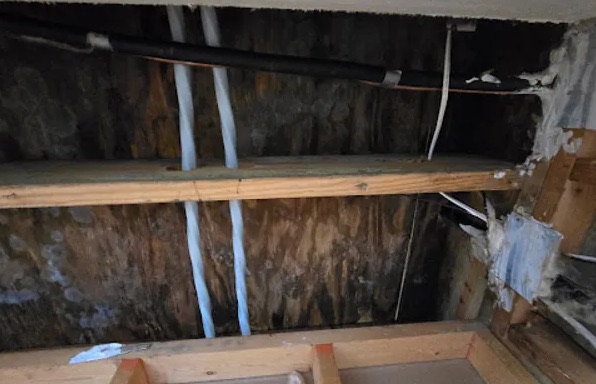
An attic leak that goes on for weeks in Bowling Green can rot roof decking, rust nails and stain rafters. Fixing the roof stops new water, but the wood already wet needs drying too.
In Bowling Green, attic water damage often shows up as a ceiling stain after heavy rain. Local water removal experts serve Bowling Green, Portland, White House and Springfield, finding the leak point and drying the wood, insulation and drywall.
Available Attic Water Damage Restoration Work in Bowling Green
Attic Drying Services
Attic drying targets the wood framing and the ceiling below, with readings taken until both return to normal levels.
Roof Leak Water Removal
A tarp can be placed over the damaged roof section to stop more rain from getting in while drying begins below.
Wet Attic Insulation Removal
Insulation that stayed wet for days is removed rather than dried, since it rarely recovers and keeps the ceiling drywall damp.
Attic Mold Prevention
Drying wet wood quickly is the main way to limit microbial growth in an attic. Decking and rafters that stayed damp can be treated once dry.
Emergency Attic Water Extraction
Help is available any hour when water is pouring into the attic during a storm or from a burst pipe, before it soaks through the ceiling.
Signs of Attic Water Damage in Bowling Green Homes
High Energy Bills
Wet insulation loses its insulating value, so heating and cooling bills can rise after a leak.
Increased Humidity Upstairs
Upstairs rooms that feel clammy even with the AC on may have moisture coming from the attic.
Dripping Sounds From Ceiling
Dripping or tapping sounds above the ceiling, especially during rain, mean water is getting in.
Peeling Paint or Wallpaper
Paint that bubbles or peels on upstairs ceilings and walls often has water behind it.
How Attic Water Damage Restoration Works in Bowling Green
Step 1: First Call and Inspection
The pros check the attic and ceiling, take photos and note where the water entered the attic.
Step 2: Bulk Water and Debris Removal
Standing water, wet insulation and fallen drywall are removed from the attic and room below.
Step 3: Drying and Monitoring
Readings are taken daily, and equipment is adjusted until every wet material is dry.
Step 4: Detailed Reporting for Insurance
A summary of the damage, the materials removed and the drying results is prepared for your claim.
Common Causes of Attic Leaks in Bowling Green
Storm Damage From Wind or Hail
Wind and hail can tear shingles or puncture the roof, letting rain in during the storm.
Condensation From Poor Ventilation
Warm, moist air from the house condenses on cold roof decking when the attic is poorly vented.
Clogged or Damaged Gutters
Clogged gutters overflow at the roof edge, pushing water under shingles and into the soffits.
Roof Leaks and Damaged Shingles
Missing, cracked or lifted shingles let rain reach the roof deck and drip into the attic.
Both Residential & Commercial Attic Water Damage Restoration
Residential Attic Water Damage Restoration
At home, attic leaks usually show up as a stain on a bedroom or hallway ceiling. The attic is dried, wet insulation removed and the ceiling below repaired or dried in place.
Commercial Attic Water Damage Restoration
In commercial buildings, water above a drop ceiling can soak tiles, wiring and insulation across several rooms. Affected tiles are removed and the space above them is dried.
When Attic Water Removal Requires Local Pros
Putting a bucket under a drip and moving belongings is a good first step. Call local water removal experts if the ceiling is stained, sagging or wet, or if the attic insulation is soaked.
Cost Considerations for Attic Water Damage Restoration Work
In Bowling Green, insulation removal and ceiling repair often make up a large share of the bill, along with drying equipment days in the attic.
Type of Water Involved
Clean rainwater is simpler to handle than water from a drain or a contaminated source.
Affected Attic Materials
Wet insulation, decking and ceiling drywall that must be removed add labor and disposal costs.
Extent of Water Intrusion
A small leak at one spot costs less to dry than water spread across the attic and the rooms below.
Does Insurance Cover Attic Water Damage Restoration?
Ceiling damage below an attic leak is usually handled as part of the same claim. Make sure the adjuster sees both the attic and the room below.
Benefits of Local Pros for Attic Water Damage Restoration in Bowling Green
Detailed Documentation
Photos, readings and drying logs are kept to support your insurance claim.
Wet Insulation Handling
Wet insulation is bagged and removed carefully, keeping debris out of the living space.
Advanced Moisture Detection
Moisture meters and thermal cameras find wet insulation, wood and drywall that look dry.
24/7 Emergency Attic Water Damage Restoration in Bowling Green
Every day insulation stays wet, more ceiling and decking are at risk. Call (615) 257-3088 for attic water damage restoration in Bowling Green as soon as you see a stain.
Call Now (615) 257-3088Local Attic Water Damage Restoration Coverage Area
The places below are also served, and each one has its own page.
- Attic Water Damage Restoration in Portland
- Attic Water Damage Restoration in White House
- Attic Water Damage Restoration in Springfield
- Attic Water Damage Restoration in Gallatin
- Attic Water Damage Restoration in Hartsville
- Attic Water Damage Restoration in Crossville
- Attic Water Damage Restoration in Clarksville
- Attic Water Damage Restoration in Southside
Frequently Asked Attic Water Damage Restoration Questions
Can wet attic insulation be saved after a leak?
Lightly damp insulation sometimes dries, but soaked or matted insulation is usually removed and replaced after the attic is dry.
Does a roof leak always cause attic mold growth?
No. Mold is more likely when wood and insulation stay wet for days, so drying is the main way to prevent it.
What are common signs of poor attic ventilation?
Damp or dark roof decking, rusted nails, musty smells and condensation on the underside of the roof.
How do I know the attic is completely dry?
Moisture readings on decking, rafters and the ceiling are compared to unaffected dry areas until they match.
What is involved in emergency attic water extraction?
Catching active drips, removing pooled water from decking and drywall tops, and starting drying before the ceiling below is ruined.